
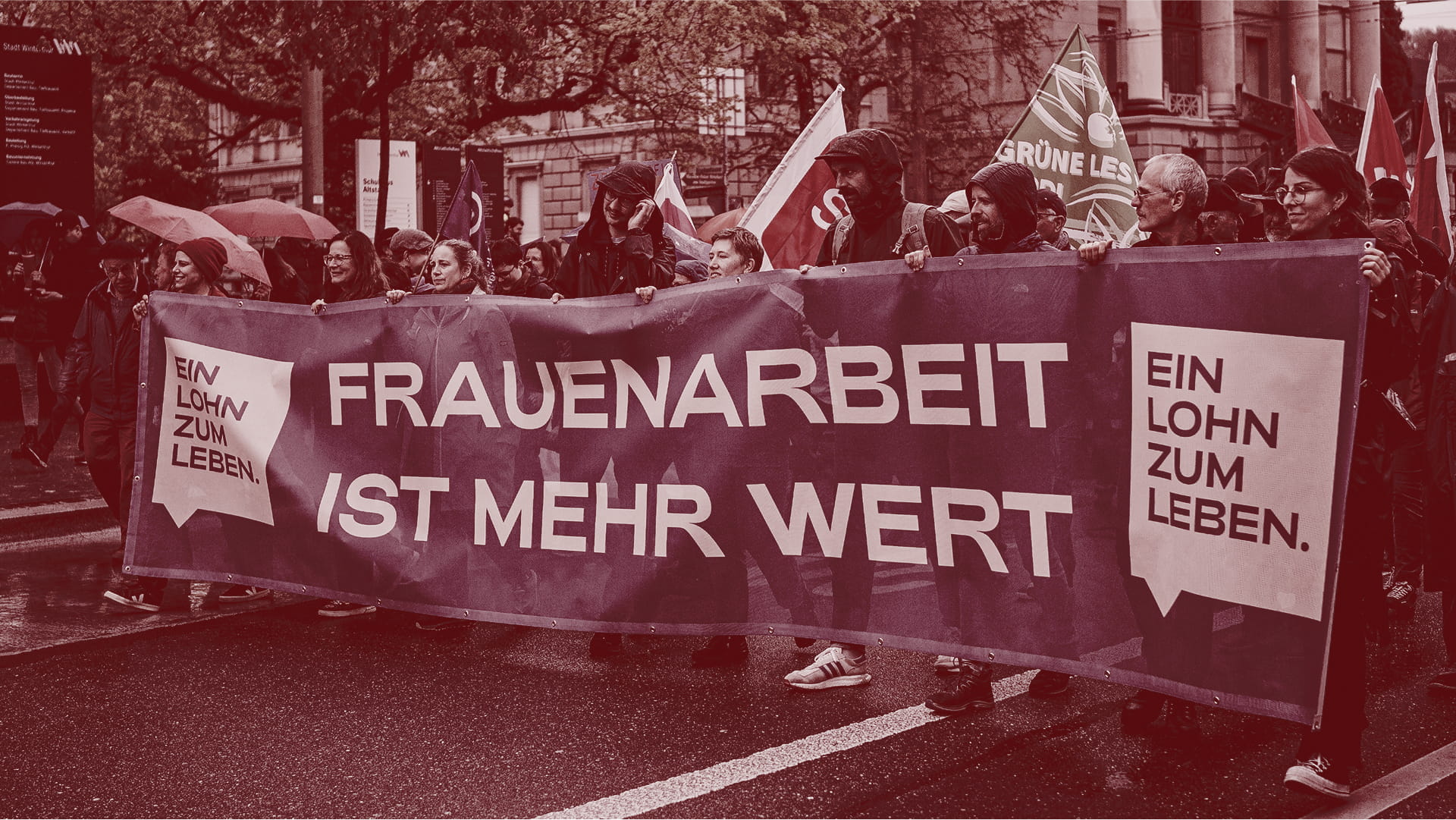
A Living Wage
65.52% Yes: On June 18, 2023, Winterthur, together with Zurich, became the first Swiss municipalities to vote in favour of a statutory minimum wage of CHF 23 per hour. The broad mobilisation is thanks to the commitment of many civil society organisations, whose collaboration Olivia Staub coordinated in a local committee.
Campaigning Media relations Organising Social media
Mandate & objectives
On behalf of the Zurich Cantonal Trade Union Federation (GBKZ), Olivia Staub was responsible from early 2023 for the regional campaign work for the popular initiative “A Living Wage” in Winterthur. As the GBKZ had no local structure of its own in Winterthur, a regional referendum committee was built from the ground up.
Objectives:
Komitee
Build and coordinate a broad committee of public figures, affected people, political parties and trade unions
Mobilisierung
Mobilise the people of Winterthur and bring the minimum wage issue into public debate
Sichtbarkeit
Create media visibility for the campaign and for the voices of people on low wages
Insights
Strategy & implementation
The cities of Zurich and Winterthur voted on the minimum wage at the same time. While the GBKZ already had established structures in Zurich, these were lacking in Winterthur. By building a committee, this networking was also made possible within a short time in the Eulach city, and synergies between different organisations could be leveraged. With the simple message “People who work should be able to live on their wages”, the campaign put people on low wages at the centre and, through various measures, helped make their stories visible to the public.
Komiteeaufbau
Establishing and coordinating a regional referendum committee with representatives from politics, trade unions, civil society and affected people
Mobilisierung
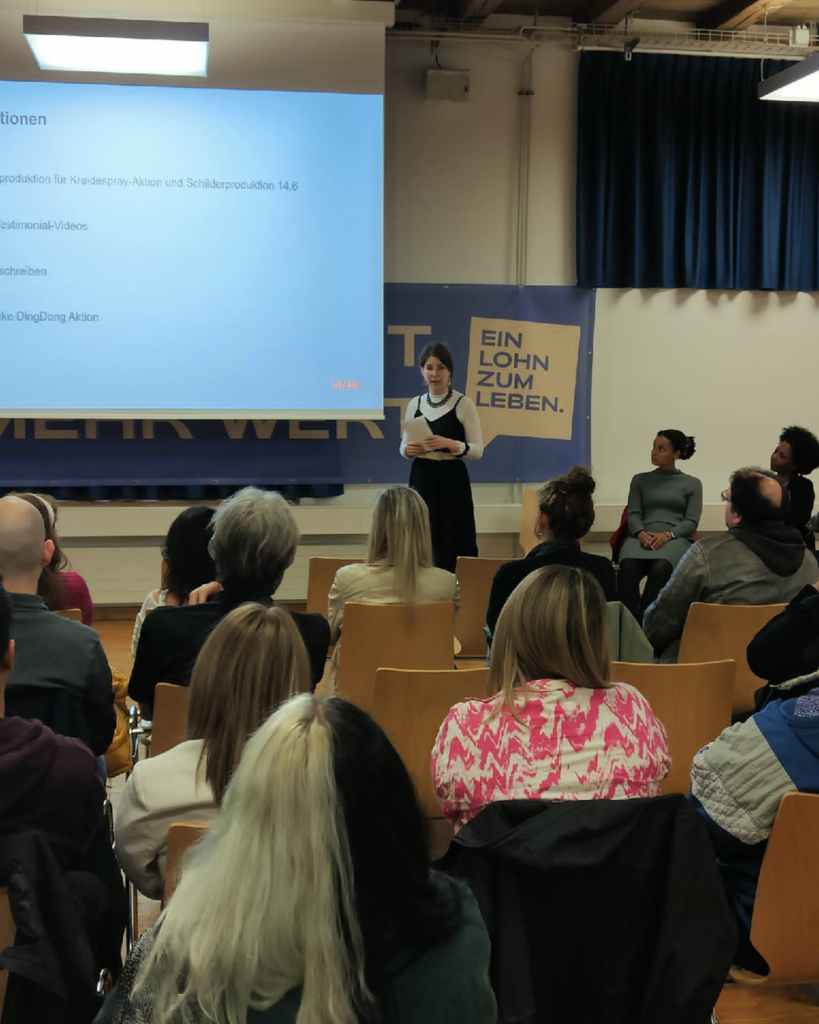
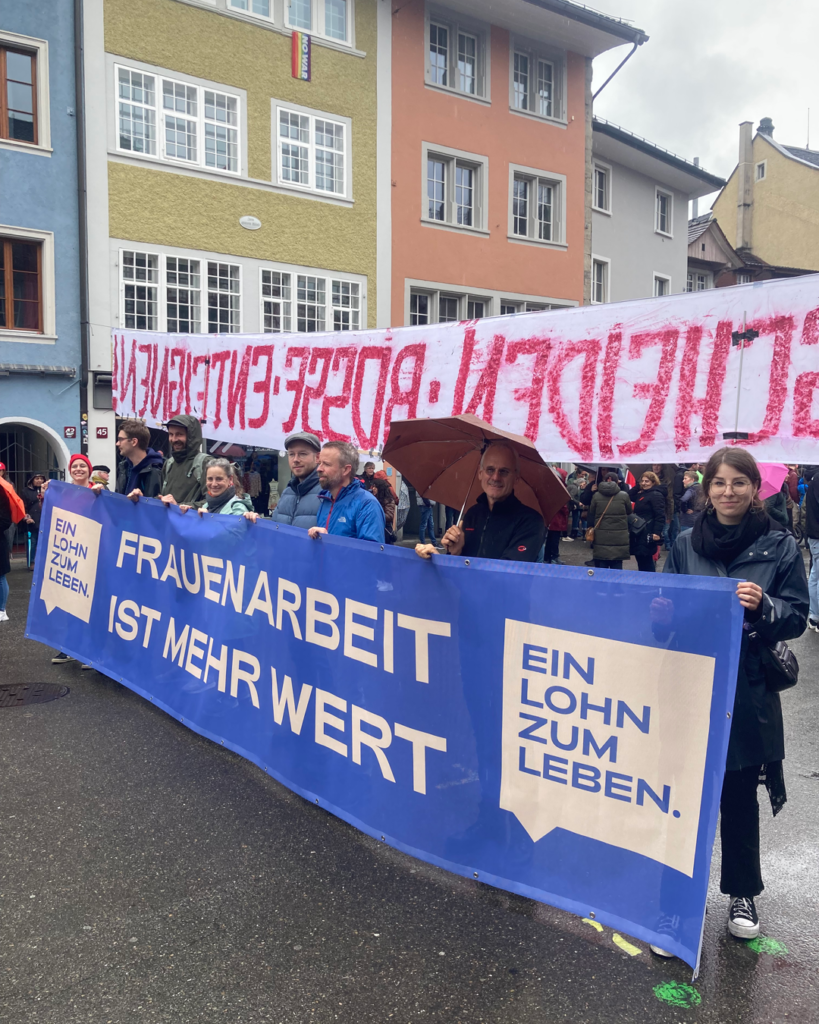
Planning and running street-stand actions, regular networking meetings for activists, and a campaign kick-off event
Social Media
Setting up and managing an Instagram channel, including testimonials and other content
Results & impact
No one expected a two-thirds majority of Yes votes. The campaign moved people well beyond the political centre. By making those affected visible, it created empathy and points of connection that could not have been achieved with arguments and figures alone. This is also thanks to the commitment of the many people and organisations involved, who worked together optimally.